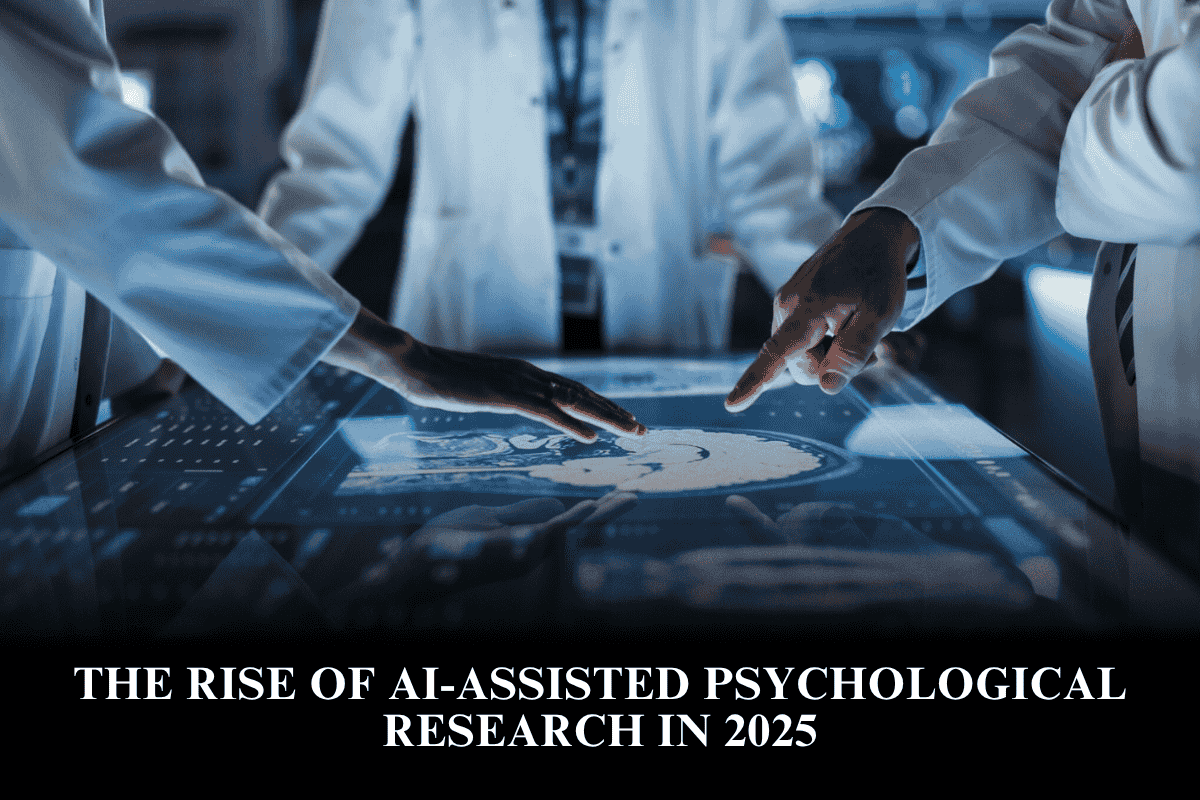
Artificial intelligence (AI) is increasingly transforming psychological research by enhancing data analysis, personalized interventions, and real-time mental health support. In 2025, AI-assisted psychological research integrates advanced machine learning, natural language processing, and emotion recognition to predict mental health risks, optimize therapeutic strategies, and monitor patient progress with unprecedented precision.
Introduction
AI technologies analyze large datasets—from brain imaging to social media sentiment—to identify psychological patterns and forecast mental health outcomes. These insights enable researchers to develop tailored intervention programs, particularly valuable for populations like university students facing distinct psychological challenges.
Key Advances
- Predictive Modeling: AI constructs models that assess the likelihood of mental health issues such as depression or anxiety, allowing early intervention.
- Emotion Recognition & NLP: Algorithms detect emotional states and psychological markers from speech and text, aiding diagnosis and treatment monitoring.
- Personalized Intervention Systems: AI dynamically adapts mental health support based on individuals’ changing conditions and behavioral data, significantly improving effectiveness.
- AI Chatbots: Interactive virtual agents offer scalable psychological assistance, supplementing traditional therapy while enabling continuous engagement.
- Ethical and Practical Challenges: Data privacy, algorithmic bias, and the need for thorough validation of AI tools remain critical concerns, guiding ongoing research and policy development.
Impact and Future Directions
AI’s role in psychological research is expected to expand, with greater integration of multi-modal data, continuous learning models, and collaborative human-AI systems aimed at more holistic and accessible mental health care solutions.
FAQs
Q1: How is AI improving psychological research in 2025?
A1: Through predictive analytics, emotion recognition, personalized interventions, and AI-powered chatbots enhancing precision, scalability, and real-time support.
Q2: What types of data does AI analyze for psychological research?
A2: Brain imaging, behavioral data, social media sentiment, speech, text, and clinical records contribute to comprehensive mental health assessments.
Q3: Are AI interventions replacing human therapists?
A3: No, AI supplements therapy by offering scalable and continuous support but works best alongside professional human care.
Q4: What challenges does AI in psychological research face?
A4: Privacy concerns, bias in algorithms, ethical dilemmas, and the requirement for rigorous validation are key challenges.
Q5: What does the future hold for AI in psychological research?
A5: Enhanced data integration, adaptive learning, improved ethical frameworks, and broad accessibility of personalized mental health solutions are anticipated.