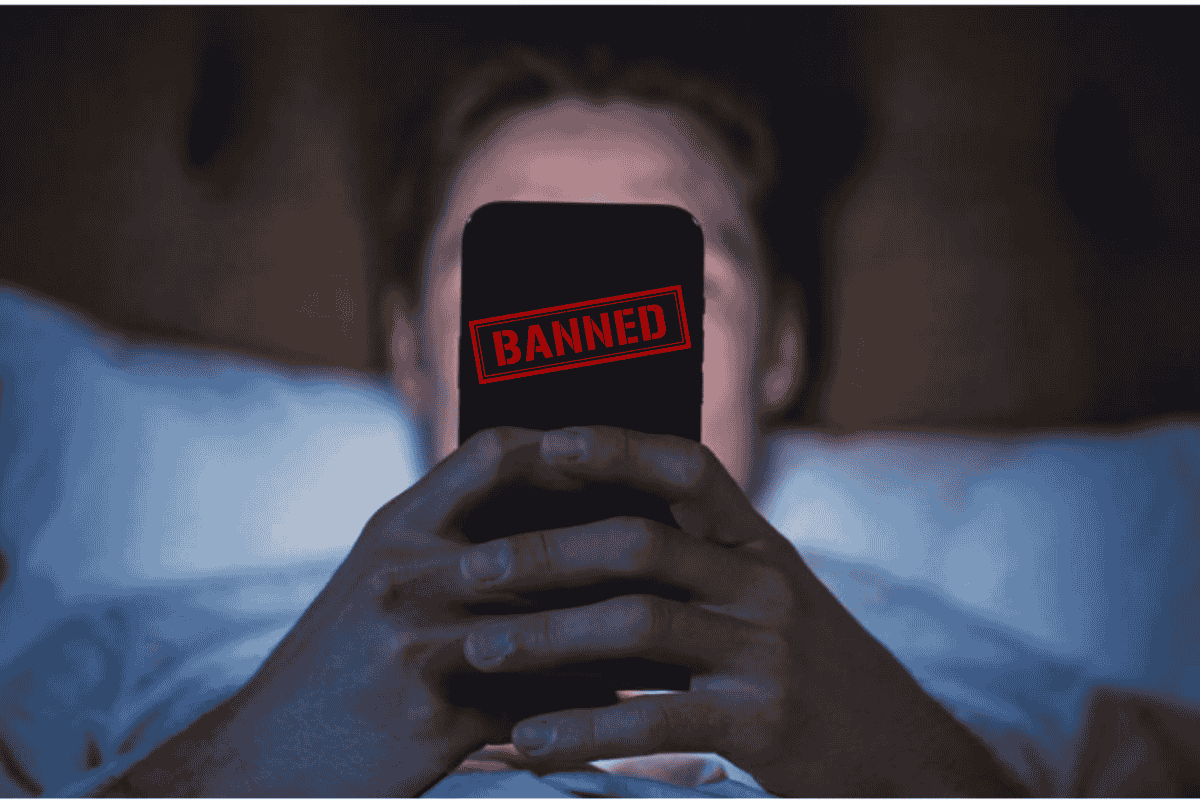
Millions of people across the world use smartphones to access the internet freely. But a new wave of laws in the U.S. and Europe is now trying to limit access to adult content. From full porn bans to strict ID checks, these rules are changing the way people use the internet—and not necessarily for the better.
In fact, these changes could deeply affect personal freedom online, and the rise of dangerous fake VPNs has now pushed Google to issue a serious warning.
New Porn Restrictions and Their Impact
Several U.S. states and the U.K. have already started blocking adult websites or requiring users to prove their age before they can view such content. While this may seem like a way to protect children, it’s not working as planned.
In the U.K., officials claim that porn usage has dropped—but that’s misleading. Instead, many people are simply using VPNs to bypass these restrictions.
A VPN (Virtual Private Network) hides your location by routing your internet activity through another country. So even if a site is banned locally, users can still access it through a VPN. That’s why VPN usage has now shot up in countries with porn restrictions. It’s a digital game of cat and mouse, and local laws don’t seem to be keeping up with the borderless nature of the internet.
U.K. Plans to Go After VPNs Next
The U.K. government is now considering banning VPNs altogether, similar to what it did with Apple’s iCloud encryption. If this happens, it could make the U.K. one of the most internet-restrictive western countries—something that even China hasn’t fully done.
Some lawmakers in the U.S. are also discussing similar steps, though enforcing such laws would be difficult.
But here’s the problem: VPNs aren’t just used to watch porn or dodge restrictions. They’re essential tools for people living in countries with strict online censorship.
VPNs help them access news, social media, and messaging platforms freely and safely. If western democracies start banning VPNs, they could be setting a very dangerous example.
Google’s Warning: Fake VPNs Can Be Dangerous
With so many people rushing to install VPNs, hackers are taking advantage of the situation. Google has issued a warning saying that many malicious apps now pretend to be safe VPNs. Once installed, these fake VPNs can steal your data—everything from your banking details and private messages to your cryptocurrency wallet.
These harmful apps are often found outside official app stores, but some even slip through into Google Play and the Apple App Store. They may look like trusted brands but carry dangerous malware. Google warns users to only download VPNs from official stores—but even then, not all VPNs are safe.
Here are some simple tips to stay safe:
- Avoid free VPNs, especially those with poor reviews.
- Stay away from VPNs developed in China or other countries with strict surveillance laws.
- Choose a VPN from a well-known Western brand.
- Read online reviews and check for independent audits.
- Be willing to pay for a quality service—your privacy is worth it.
Internet Freedom Is Under Threat
What started as a move to protect children online is slowly becoming a wider attack on internet freedom. Instead of targeting actual criminals, these rules often hurt regular users who just want privacy and open access.
The internet was built as a free and open space. Restricting access to VPNs or encrypted services threatens that freedom.
Lawmakers need to think carefully. It’s important to protect children, yes—but that shouldn’t come at the cost of everyone else’s digital rights. And as we’ve seen with fake VPNs, rushing into restrictions without understanding the tech can create even more problems.
FAQ
Q1: Why are some countries banning porn websites?
A: Governments claim it’s to protect minors from harmful content, but many argue that these measures are poorly planned and hurt internet freedom.
Q2: What is a VPN and why do people use it?
A: A VPN (Virtual Private Network) hides your real location and keeps your internet use private. Many use it to bypass censorship or stay safe online.
Q3: Are VPNs legal?
A: In most countries, yes. But some governments are now considering bans or restrictions, especially if people use VPNs to bypass local laws.
Q4: Are free VPNs safe to use?
A: Usually not. Many free VPNs come with security risks like malware or hidden trackers. It’s better to use a trusted, paid VPN.
Q5: What is Google warning users about?
A: Google warns that hackers are spreading fake VPN apps that look real but actually steal personal data like passwords, messages, and financial info.