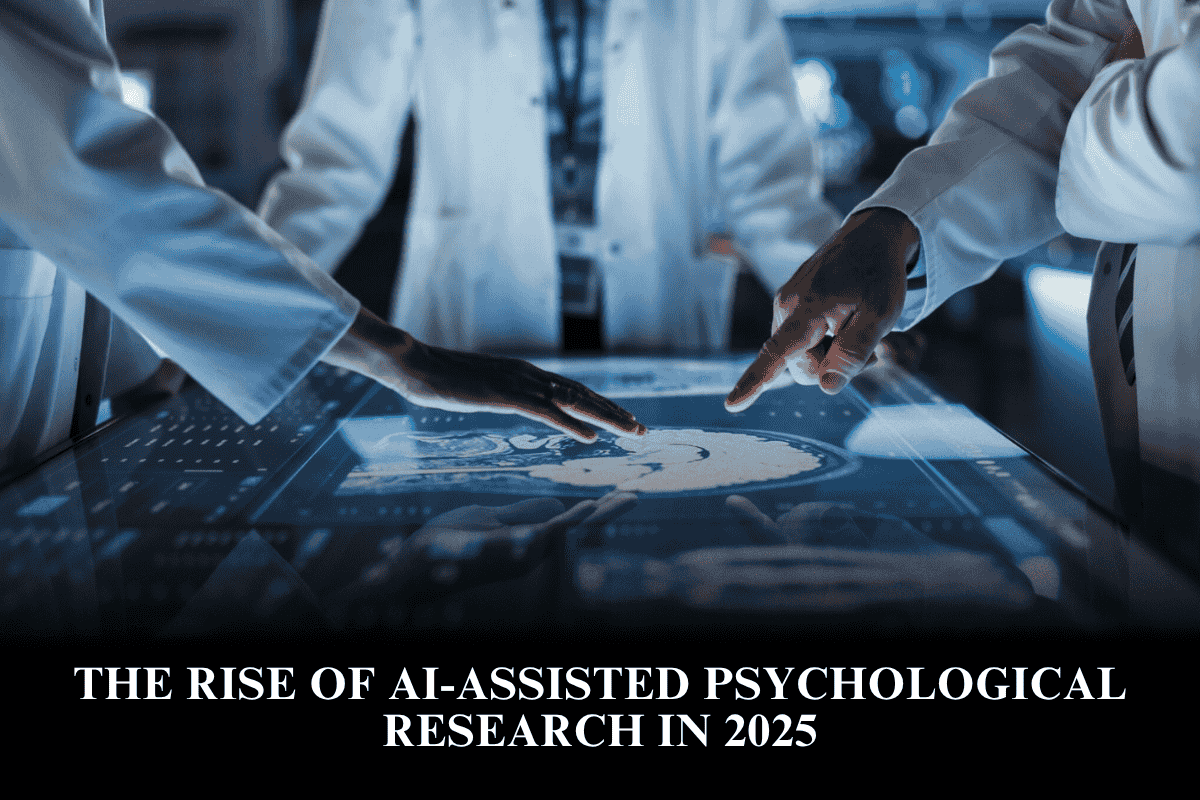
The integration of advanced technology and artificial intelligence (AI) is revolutionizing research in human behavior, particularly in the United States where innovation drives this interdisciplinary field.
Emerging tools like AI algorithms, wearable devices, brain-computer interfaces, and natural language processing are enabling unprecedented access to physiological and psychological data.
Through this, researchers aim to understand, predict, and influence human behaviors with greater precision and ethical responsibility.
Advanced AI Models and Behavioral Prediction
One breakthrough is the development of AI models specifically trained on behavioral science data rather than general knowledge.
For example, Be.FM, a specialized AI system trained on experimental and survey data from tens of thousands of subjects, excels at predicting real-life human actions and psychological traits.
This AI helps researchers simulate scenarios, infer personality characteristics, and forecast how groups might respond to various stimuli, which supports economic modeling and policy analysis without costly real-world trials.
The model also aids researchers in generating new hypotheses and organizing behavioral science knowledge efficiently, boosting research productivity.
Neurotechnology and Biometric Data
Neurotechnology is another cutting-edge domain where advanced hardware collects physiological and behavioral data such as brain activity, heart rate, and facial expressions. These signals are interpreted using AI to infer emotions, cognitive states, and engagement levels.
Wearable devices with EEG sensors and biometric wearables not only have medical applications but also practical use in training, workplace communication, and personal development.
This “Decoding Humans” trend empowers communication professionals and therapists to tailor interventions based on real-time physiological feedback, enhancing decision-making and stress management.
AI in Psychological Research and Therapy
Psychologists in the U.S. are leading efforts to integrate AI safely and effectively, especially in mental health practice. Large language models are used to develop empathetic chatbots that can assess conditions like depression and suicide risk, offering quicker and potentially more accessible support than traditional tools.
AI also enables therapists to analyze rich daily-life data collected by wearable technologies, opening possibilities for collaborative interpretation with patients for more personalized care. Ethical use remains paramount, with experts emphasizing transparency, privacy, and maintaining human oversight to prevent misuses or unintended errors.
Natural Language Processing Enhancing Behavioral Science
Natural language processing (NLP), a facet of AI focusing on human language, allows social scientists to analyze enormous amounts of text data—from social media posts to transcriptions—capturing subtle markers of psychological states.
Variations in pronoun use and other linguistic cues give insights into mental health, social dynamics, and identity shifts. This synergy creates a virtuous cycle where behavioral science findings inform AI improvements, and AI tools unlock new social science discoveries.
Frequently Asked Questions (FAQs)
How does AI improve the understanding of human behavior?
AI models trained on large behavioral datasets simulate decisions, predict personality traits, and forecast group behaviors, enabling researchers to gain deeper, scalable insights without extensive real-world trials.
What role do wearable devices play in behavior research?
Wearables with sensors measure physiological signals like heart rate and brain activity, which AI interprets to understand cognitive and emotional states in real time, useful for therapy, training, and communication improvement.
Are there ethical concerns with using AI in human behavior studies?
Yes, experts stress ethical issues including privacy, transparency, data minimization, and maintaining human decision authority to ensure AI applications benefit individuals responsibly and safely.
Can AI replace human therapists?
AI tools complement but do not replace human therapists; they increase accessibility and support therapists with data analysis and monitoring but require human judgement and empathy for effective care.
How is natural language processing used in behavior research?
NLP helps detect psychological and social patterns from language use within massive digital text, revealing insights into behavior and mental health that advance social science understanding.