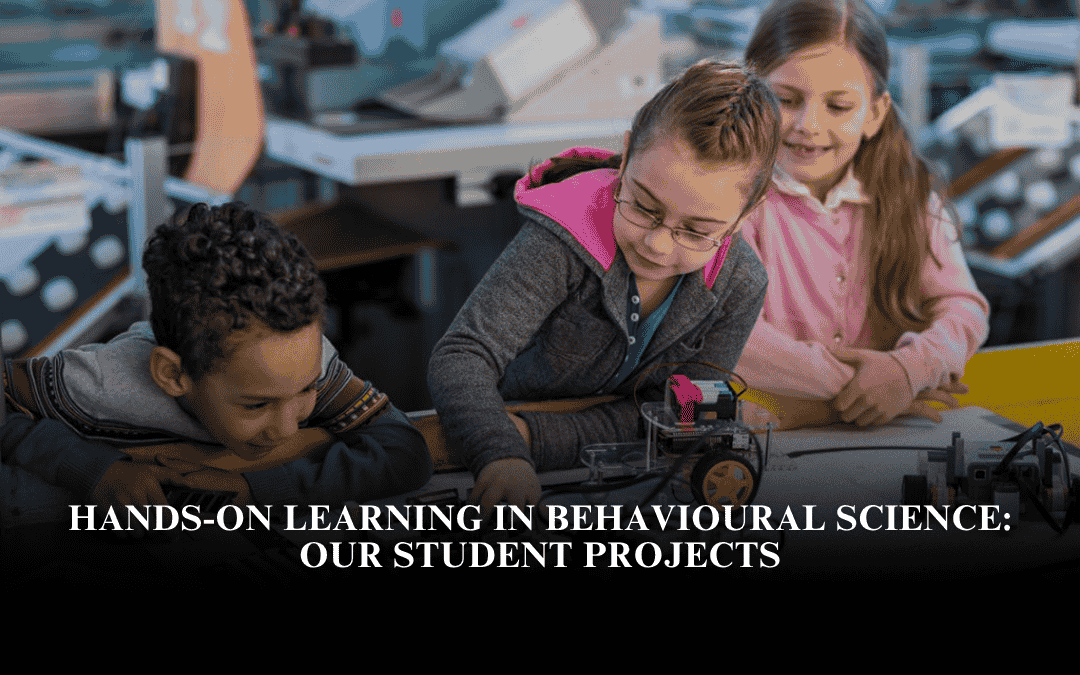
Hands-on learning in behavioral science offers students transformative experiences, bridging theory with real-world applications. In the United States, various universities and research organizations facilitate immersive projects where students actively design, implement, and analyze behavioral research, fostering critical skills essential for careers in psychology, economics, public health, and social policy.
Immersive Research Practicums
Programs such as Columbia University’s Global Behavioral Science (GLOBES) practicum provide students with international, collaborative research opportunities.
Students learn study design, data collection, and scientific communication by participating in large-scale, cross-cultural behavioral studies, including themes like pro-environmental behaviors linked to climate change.
This hands-on research experience often culminates in co-authorship of academic publications, emphasizing reproducibility and teamwork.
Applied Behavioral Science Initiatives
At institutions like the MDRC Center for Applied Behavioral Science (CABS), student projects focus on addressing real-world social problems using behavioral insights.
Projects span welfare, education, child support, and employment, emphasizing pragmatic, light-touch interventions tested through experimentation.
Students engage in intervention design, rigorous research methods, and collaborative data analysis, contributing to ongoing improvements in social programs affecting vulnerable populations.
Field-Based Behavioral Experiments
Graduate courses such as MIT GOV/LAB’s Behavioral Science in the Field Course offer experiential learning by designing lab-in-the-field behavioral games in international settings, e.g., Kenya.
These projects train students to develop novel behavioral measures with real-world relevance, fostering skills in experimental design, data collection, and cultural contextualization.
Such field studies help students understand determinants of human behavior in diverse contexts and contribute data for academic publications.
Building Research Skills and Impact
Central to these projects is skill-building in research design, ethical data collection, qualitative and quantitative analysis, and scientific writing. Students gain confidence collaborating across disciplines and cultures, enhancing their ability to translate research into actionable insights.
These experiences prepare emerging behavioral scientists to innovate solutions to societal challenges, from policy design to community interventions.
FAQs
What types of behavioral science projects do students in the US typically work on?
Students engage in diverse projects ranging from global behavioral interventions, social program improvements, educational reforms, to field-based behavioral experiments that study human decision-making in varied contexts.
How do hands-on projects enhance learning in behavioral science?
Hands-on projects allow students to apply theoretical knowledge by designing studies, collecting real data, analyzing results, and communicating findings. This immersive approach develops practical research skills and deeper understanding of human behavior.
Are students involved in real-world problem solving in these projects?
Yes, many projects target pressing social issues such as welfare effectiveness, child support programs, employment training, and environmental behavior, enabling students to contribute to evidence-based solutions.
Do students collaborate internationally in these programs?
Some programs, like Columbia’s GLOBES, involve international collaborations where students work with peers and researchers worldwide, gaining multicultural teamwork experience.
What skills do students gain from behavioral science hands-on projects?
Students develop research design, data analysis, ethical research conduct, scientific writing, interdisciplinary collaboration, and cultural competence, all critical for careers in academia, policy, and applied behavioral science fields.