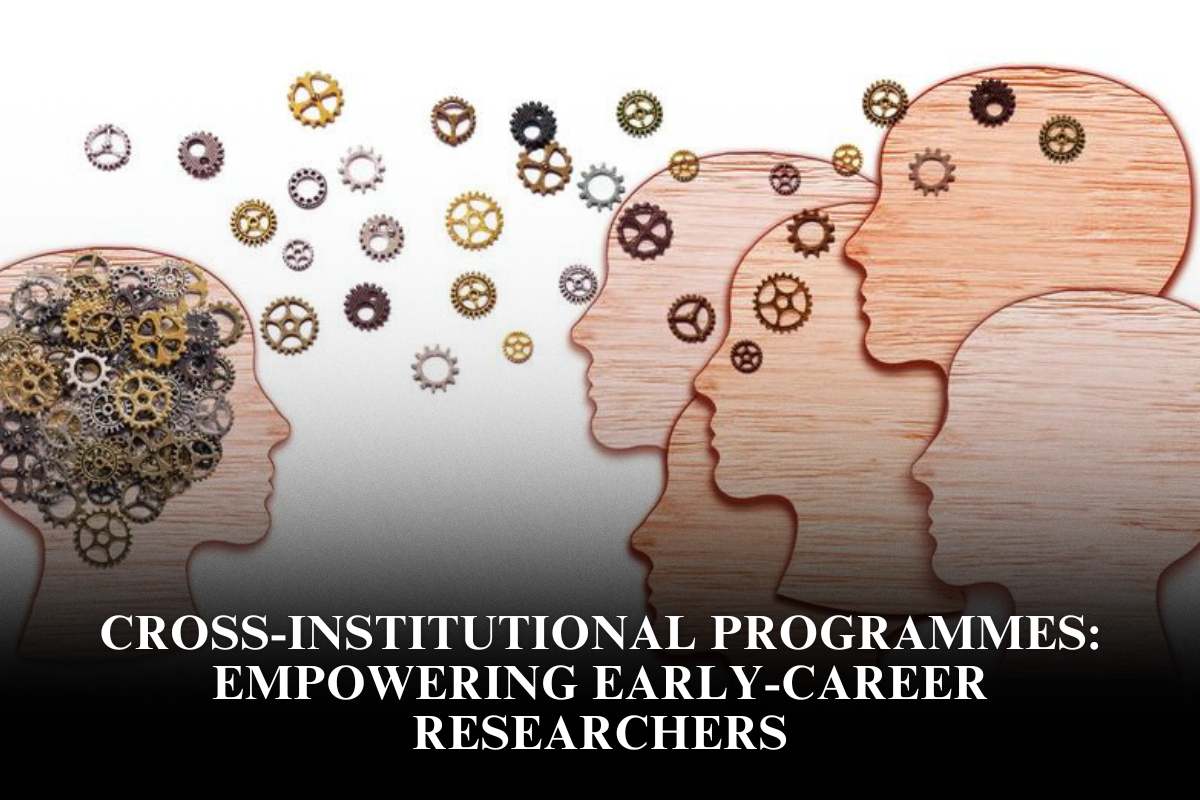
Cross-institutional programmes are emerging as powerful platforms for empowering early-career researchers by fostering collaboration, resource sharing, and diverse training opportunities.
These initiatives bridge gaps between universities, research institutes, and clinical centers, offering early-career scholars access to broader expertise, mentorship, and interdisciplinary projects that accelerate both skill development and career progression.
Why Cross-Institutional Programmes Matter
Early-career researchers often face hurdles including limited resources, narrow mentorship, and isolated research environments. Cross-institutional programmes address these challenges by pooling institutional strengths, promoting inclusivity, and enhancing exposure to diverse research cultures and methodologies.
By connecting trainees with experienced mentors across institutions, these programmes boost research identity, self-efficacy, and a sense of belonging—key factors shown to improve retention and success in research careers.
Structure and Key Components
Successful cross-institutional programmes typically include:
- Joint internships or research placements across partnering institutions to offer immersive, hands-on experiences.
- Professional development workshops on research skills, career planning, and leadership.
- Mentorship frameworks involving multiple mentors providing complementary expertise.
- Longitudinal tracking and evaluation to assess programme impact on career trajectories.
- Emphasis on diversity and equity to recruit and retain underrepresented groups in research.
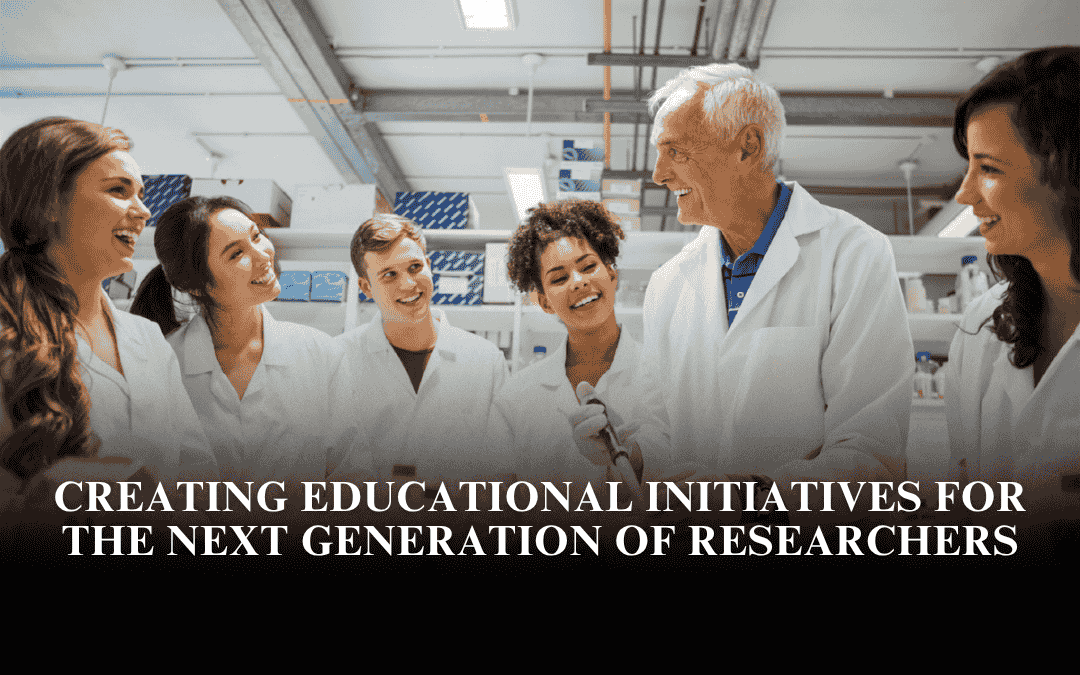
An example is a partnership between Duke University and North Carolina Central University, where student interns spend time in both clinical and pre-clinical research settings with structured professional development and evaluation, supporting diverse student success.
Benefits to Early-Career Researchers
Participants gain diverse perspectives, expand their professional networks, and access cutting-edge facilities and data resources beyond their home institutions. The collaborative environment encourages interdisciplinary problem-solving and innovation while preparing researchers for competitive academic and industry roles. Furthermore, the multisite mentorship model enriches guidance and peer support.
Challenges and Considerations
Effective cross-institutional programmes require careful coordination, clear communication, and shared goals among partners. Funding sustainability and aligning institutional policies can pose challenges. Monitoring and evaluating long-term outcomes demand robust frameworks to continuously optimize programme designs and demonstrate value to stakeholders.
The Future Outlook
With increasing recognition of team science and collaboration as drivers of scientific advancement, cross-institutional programmes are poised to become standard pillars in research training. Scaling such initiatives with data-driven optimization and incorporating virtual components can further extend reach and impact, empowering early-career researchers globally.
Frequently Asked Questions
Q. What makes cross-institutional programmes beneficial for early-career researchers?
They provide wider access to expertise, mentorship, and resources, boosting research skills, confidence, and networking opportunities essential for career success.
Q. How do these programmes support diversity in research?
By actively recruiting underrepresented groups and providing tailored support, cross-institutional programmes improve equity and inclusion in research careers.
Q. Are such programmes only for clinical research?
No, while some examples involve clinical research, cross-institutional programmes exist across many disciplines, including behavioral science, social sciences, and STEM fields.
Q. What challenges do institutions face in implementing these programmes?
Challenges include aligning goals, ensuring sustainable funding, coordinating activities between institutions, and assessing programme effectiveness over time.
Q. Can virtual collaboration be a part of these programmes?
Yes, integrating virtual research collaboration and training can enhance accessibility and scalability, especially in a globally connected research environment.
Cross-institutional programmes represent a transformative approach to training the next generation of researchers by leveraging collective strengths, fostering diversity, and creating productive, collaborative ecosystems for innovation and career development.