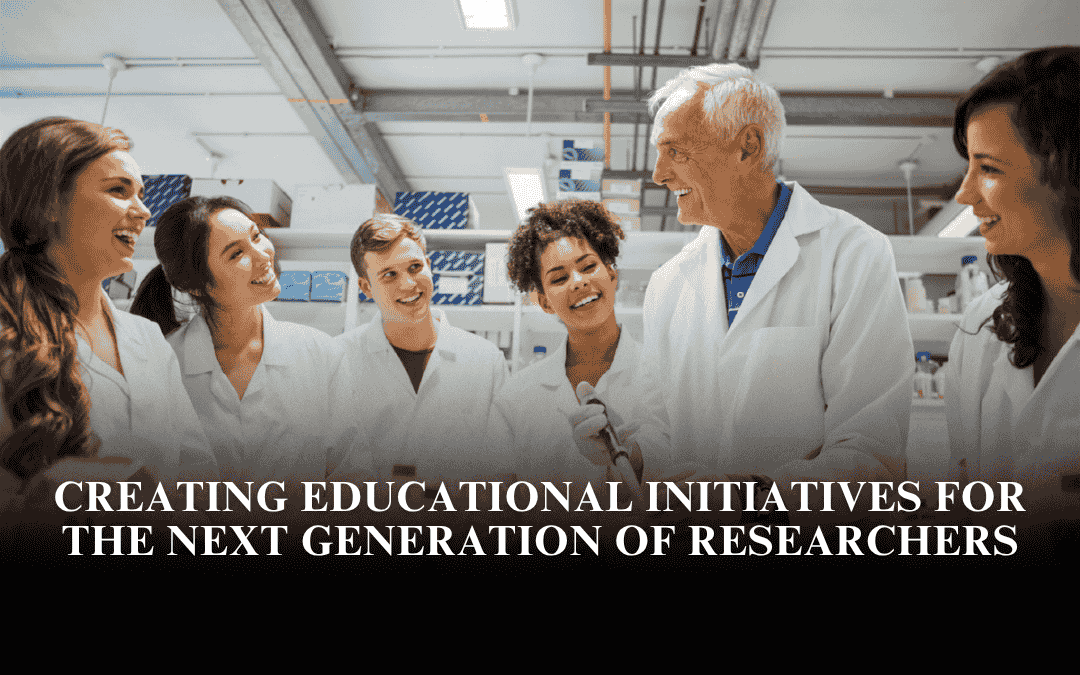
Educational initiatives aimed at preparing the next generation of researchers in the United States are critical for sustaining innovation, scientific progress, and economic growth.
Several targeted programs and policies at federal agencies and institutions promote research training, mentorship, diversity, and early career support for aspiring investigators.
Next Generation Researchers Initiative by NIH
The National Institutes of Health (NIH) launched the Next Generation Researchers Initiative to address challenges faced by early-stage researchers in establishing independent careers, especially in biomedical sciences.
The initiative focuses on increasing funding opportunities, enhancing training and mentorship programs, and promoting workforce diversity.
Through evidence-based strategies, NIH supports researchers from early career stages, tracks their progress, and develops metrics to evaluate grant impacts on scientific progress. This initiative fosters a supportive environment for emerging scientists.
Education Research and Training Programs
Various programs bolster research skills among students and early career professionals. For example, the Educational Testing Service (ETS) collaborates with academic institutions to provide interdisciplinary training, professional development, and hands-on research experiences.
Programs like the Young Scientists Institute offer mentorship and practical training in crafting research projects and navigating graduate school applications, equipping students with critical skills for education research careers.
The U.S. National Science Foundation (NSF) supports intensive undergraduate research experiences (REU) across disciplines, providing funding for cohorts of undergraduates to engage deeply in research projects nationwide. This exposure helps students develop essential skills, making them competitive for advanced research roles.
Strategic Investments in Research Universities
Long-term strategic investments in research universities focus on fostering faculty development and research infrastructure critical to advancing education and science.
Recommendations include programs for young faculty support, improving doctoral education pathways, and addressing challenges in postdoctoral research to better align career trajectories with opportunities.
Global Research Collaboration and STEM Initiatives
The U.S. Department of State’s STEM Research Initiative facilitates international collaboration by easing visa processes for foreign researchers, enriching the U.S. research ecosystem with diverse perspectives. This initiative allows researchers to work in the U.S. for up to five years, promoting innovation and global networking.
Education Innovation and Research Grants
The U.S. Department of Education’s Innovation and Research (EIR) program supports evidence-based solutions to improve student achievement, targeting high-need populations. It fosters the development and scaling of innovative educational practices through rigorous evaluation, contributing to educational research progress.
FAQs
What challenges do early career researchers face?
They often encounter limited funding opportunities, lack of mentorship, and difficulty transitioning to independent research roles, which some initiatives aim to address.
How do programs support undergraduate involvement in research?
Undergraduate research programs provide funding, mentorship, and hands-on experiences to develop research skills and prepare students for graduate studies or research careers.
What role do diversity and inclusion play in these initiatives?
Promoting diversity enhances innovation and workforce strength by ensuring opportunities for underrepresented groups in research fields.
Can international researchers participate in U.S. educational initiatives?
Yes, initiatives like the STEM Research Initiative facilitate collaboration and research opportunities for foreign nationals in the U.S. research community.
How do educational research initiatives impact teaching and learning?
They produce evidence-based innovations that improve educational practice and student outcomes, supported by grant programs like the Department of Education’s EIR.