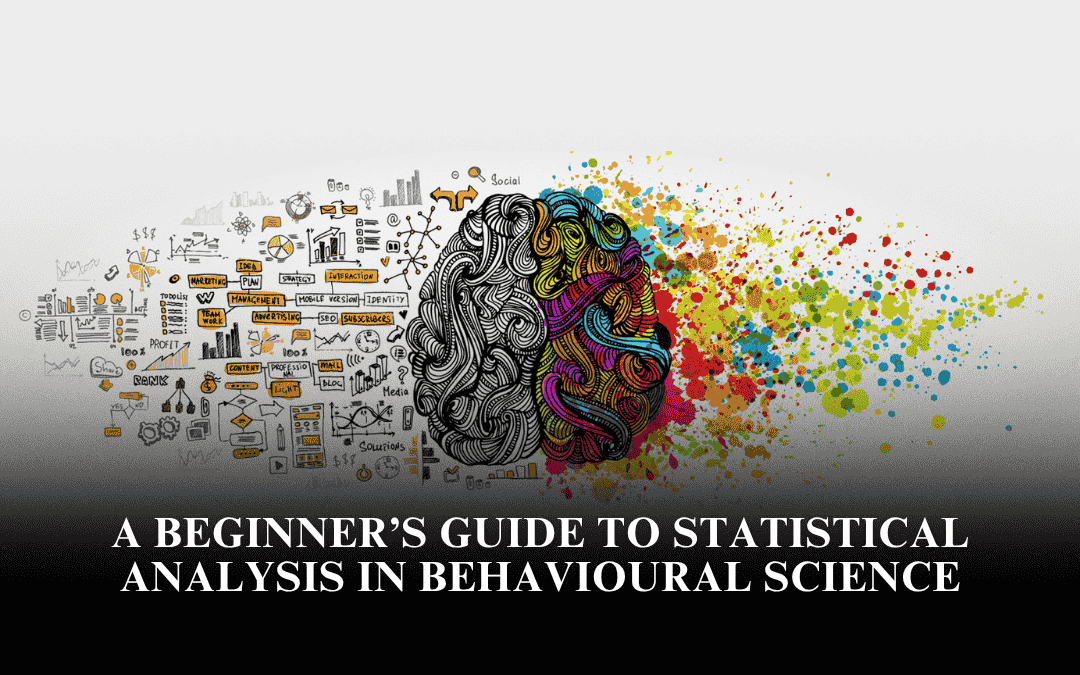
Statistical analysis is a cornerstone of behavioural science research, serving as a tool to systematically interpret data about human behaviour. It enables researchers to uncover patterns, relationships, and effects, helping to test hypotheses and draw valid conclusions in studies about people’s actions, thoughts, and emotions.
Basics of Statistical Analysis in Behavioural Science
In behavioural research, statistical analysis involves collecting numerical data related to behaviours, mental processes, or social interactions and applying mathematical techniques to understand this data.
Descriptive statistics summarize data by showing averages, variability, and frequency distributions, while inferential statistics allow scientists to make predictions or generalize findings from a sample to a larger population. Both types of analysis are essential in evaluating experimental outcomes.
Common Statistical Methods
Several statistical tools are frequently used:
- T-tests and ANOVA (Analysis of Variance): Compare means across groups to find differences in behaviour or treatment effects.
- Chi-square tests: Analyze relationships between categorical variables.
- Regression analysis: Examines predictions and associations between variables.
- Multivariate analysis: Considers multiple dependent variables simultaneously.
- Longitudinal modeling: Studies behaviour over time, handling repeated measures on the same subjects.
Each method offers distinct insights and matches different research designs and questions, such as comparing groups, tracking change, or exploring correlations.
Application in Research
Behavioural researchers design studies with clear hypotheses and choose appropriate statistical models to test them. For example, a study examining stress reduction interventions might use ANOVA to compare different treatment groups, or regression to assess if social support predicts anxiety levels. Validity and reliability depend on correct use of statistics, sample size, and data quality.
Interpretability and Ethics
Good statistical analysis demands transparent reporting of methods and findings, careful avoidance of biases, and ethical treatment of participant data. Replicability—ensuring other scientists can duplicate results—is a critical standard.
FAQs
What is the difference between descriptive and inferential statistics?
Descriptive statistics organize and summarize data (like averages and ranges), while inferential statistics make conclusions about populations based on sample data, such as testing for significant effects or relationships.
Which statistical tests are most used in behavioural science?
Common tests include t-tests, ANOVA, chi-square, regression, and multivariate analyses. Choice depends on the research question and data type.
How does longitudinal modeling benefit behavioural research?
It tracks changes in behaviour over time within the same individuals, providing insights into development, treatment effects, or trends, while managing repeated measurements effectively.
Why is correct statistical analysis important?
Correct analysis ensures that research findings are valid, reliable, and interpretable, preventing false conclusions and supporting evidence-based practice.