Student-research collaborations in psychological research play a powerful role in educational projects and collaborations, offering numerous benefits for both students and faculty.
These partnerships provide students with hands-on experience, professional development, and enhanced engagement in psychological science while enriching faculty research efforts with fresh ideas and additional support.
Hands-On Research Experience for Students
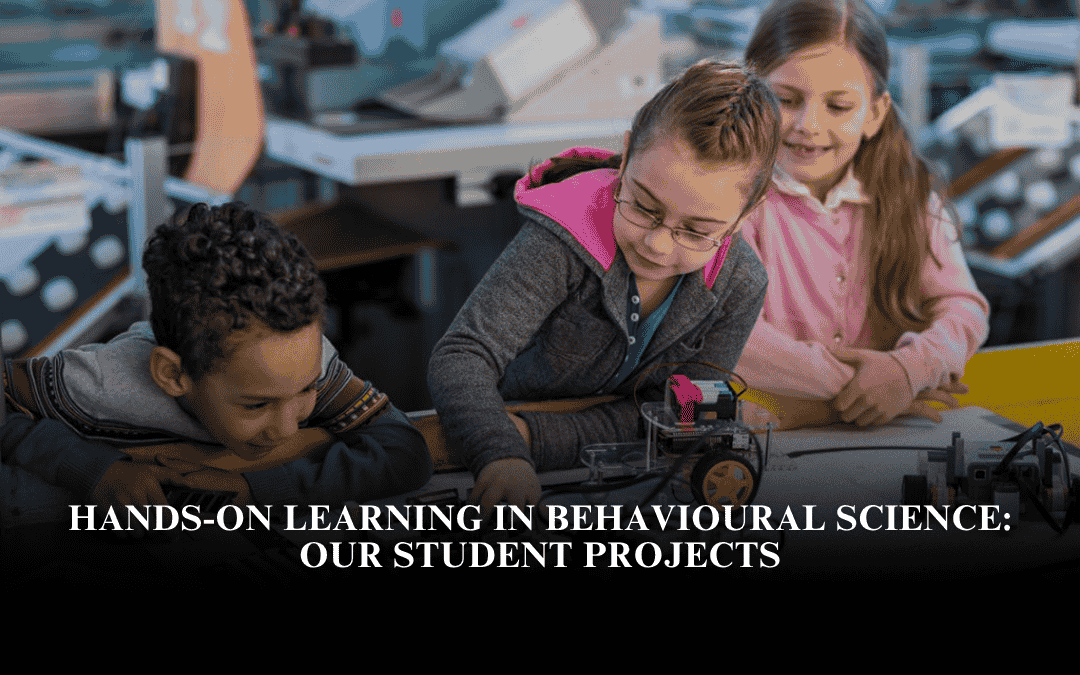
Collaborating on research projects exposes students to the full research process, from literature reviews and study design to data collection and analysis.
Many U.S. universities and organizations, such as the American Psychological Association (APA), offer fellowships and programs like the Summer Undergraduate Psychology Experience in Research (SUPER) to support undergraduates in diverse psychological laboratories.
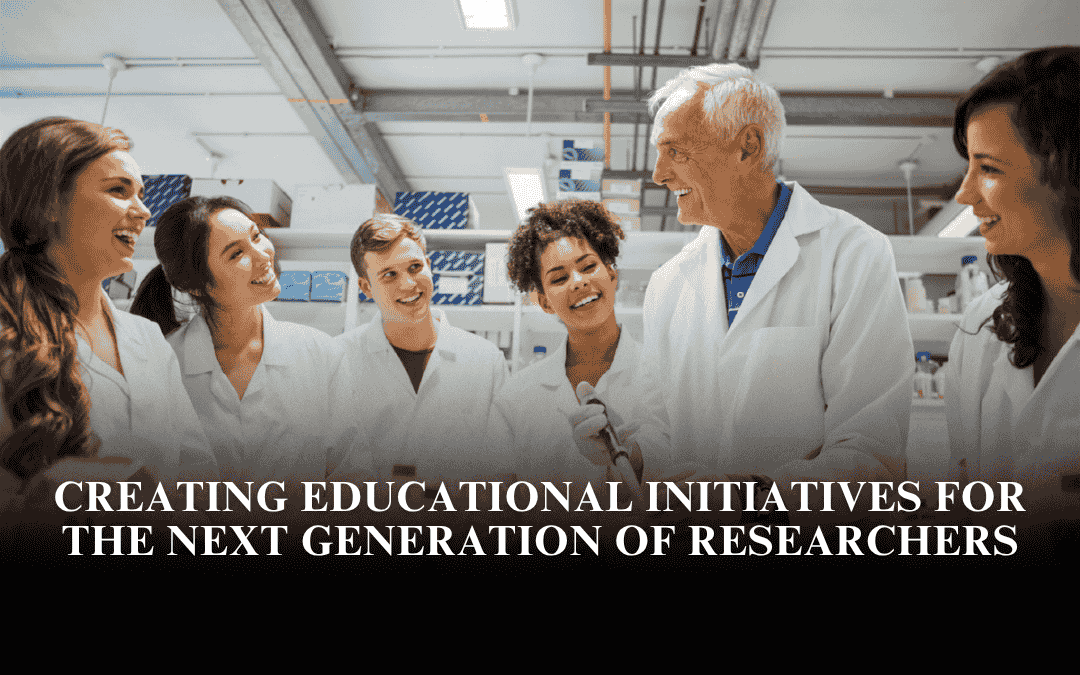
Students gain skills in scientific reasoning, critical thinking, and teamwork, which strengthen their academic and career prospects. These experiences often include mentorship by faculty and graduate students, providing guidance and career coaching.
Enhancing Faculty Research through Student Contributions
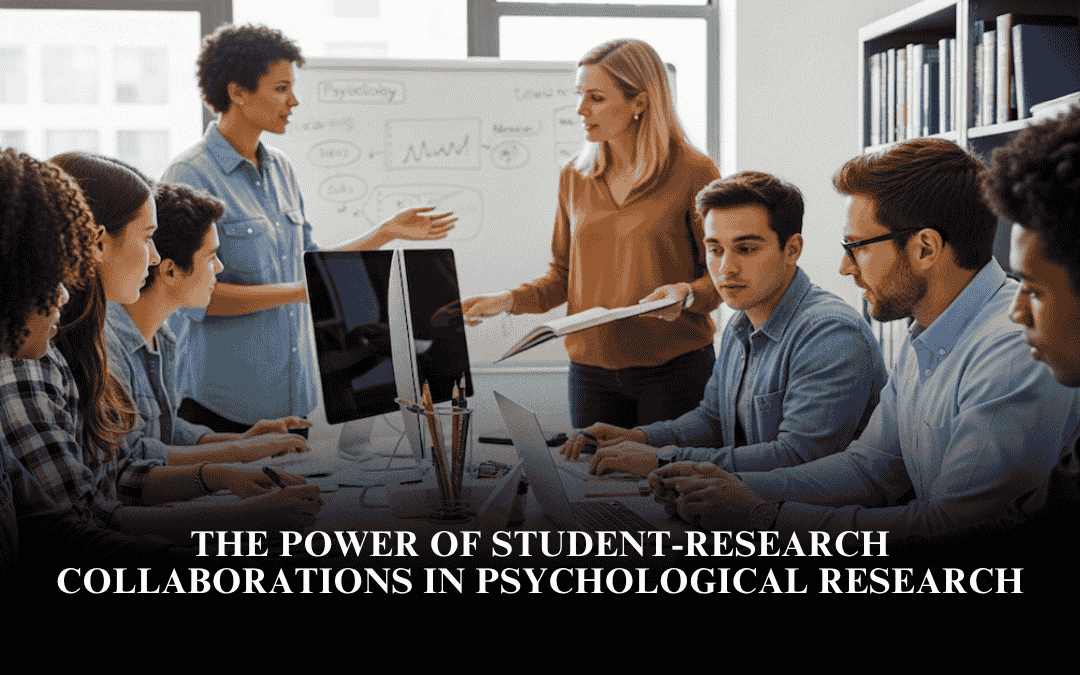
Faculty members benefit from student collaborations by leveraging their enthusiasm and assistance for conducting extensive data collection and hands-on tasks. Students often engage in every phase of a project and may even develop their own research ideas under supervision, resulting in innovative contributions.
This collaboration can lead to co-authored publications and conference presentations. Faculty-student partnerships also foster a dynamic learning environment that bridges teaching and active scholarship.
Promoting Equity and Inclusion in Psychological Science
Many programs specifically encourage participation from underrepresented groups and emphasize equity and diversity in research experiences. This focus helps diversify the field by expanding access to research training for students who might otherwise lack such opportunities.
Intensive summer programs, semester-long mentorships, and paid research assistantships are common methods to promote inclusivity and provide meaningful support.
FAQs
What are the key benefits of student-research collaborations in psychology?
Students gain practical research skills, mentorship, and career development, while faculty receive valuable support and fresh perspectives enhancing their research productivity.
How do students typically participate in psychological research projects?
Students may assist in literature reviews, participant recruitment, data collection, data analysis, and presentation of findings. Some programs offer structured mentorship, coursework, and paid assistantships.
Are these research experiences accessible to students from diverse backgrounds?
Yes, many programs prioritize equity and diversity, offering fellowships and targeted recruitment to underrepresented groups, ensuring broad access to psychological research experiences.
Can students initiate their own research within these collaborations?
Often, students can develop independent or student-driven projects under faculty supervision, which can lead to senior theses, presentations, or publications.