Behavioral science blends psychology, sociology, neuroscience, and data analysis to understand human actions. Because it straddles multiple disciplines, researchers often face uncertainty when designing studies, interpreting data, or applying ethical standards.
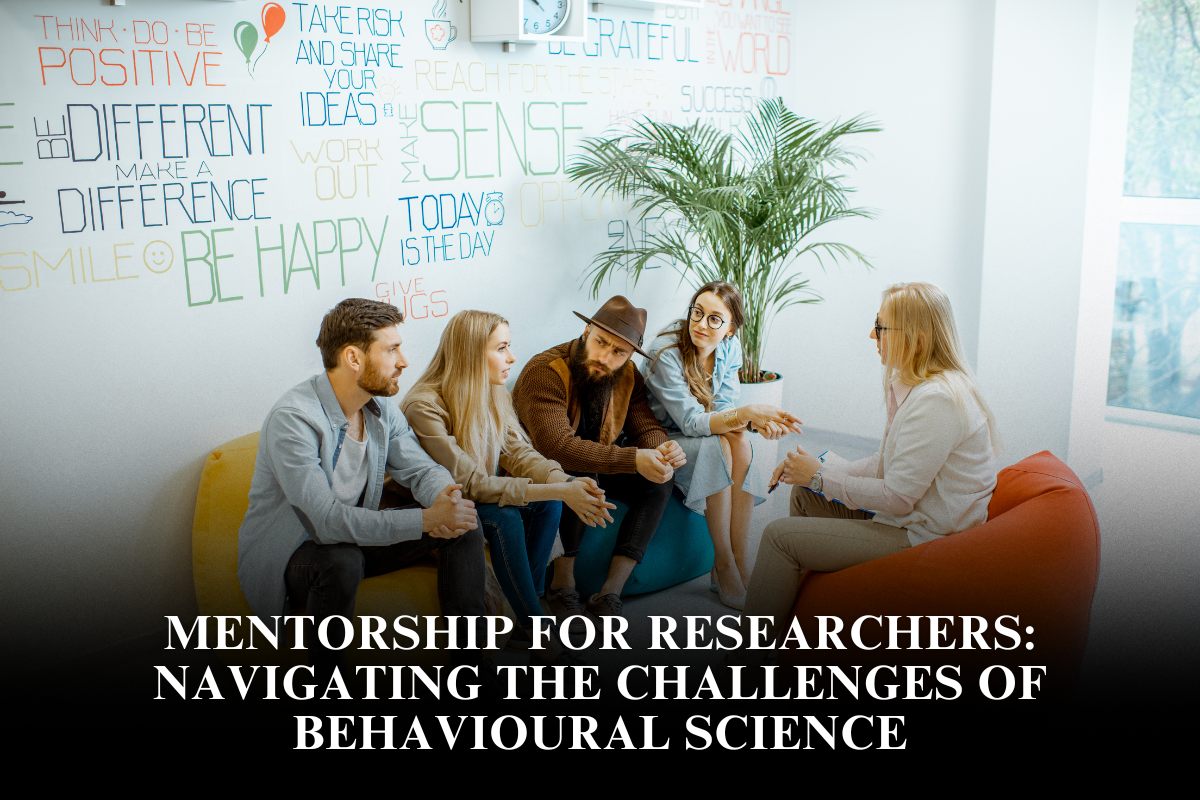
Mentorship offers an essential anchor. Experienced mentors provide guidance on shaping research questions, choosing methodologies, and maintaining scientific integrity. They help younger researchers develop critical thinking skills and foster collaboration across fields that can otherwise feel fragmented.
Building a Supportive Research Culture
Effective mentorship goes beyond individual guidance—it helps build a culture of learning and inclusion. A strong mentor fosters curiosity, encourages open dialogue about failures, and creates an environment where questions are welcomed.
In behavioral science, where experiments often involve ethical concerns and human emotion, mentors also model how to handle sensitive topics responsibly. Institutions that invest in mentorship programs see stronger research networks and higher retention among early-career academics.
Addressing Ethical and Methodological Challenges
Behavioral scientists frequently confront ethical dilemmas, from ensuring consent to protecting participant privacy in increasingly digital contexts. Mentorship can guide researchers through these grey areas by clarifying ethics board processes, discussing real-world case studies, and offering strategies for transparent reporting.
Methodologically, mentors help mentees select the right mix of qualitative and quantitative techniques, emphasizing replicability and cross-cultural validity—two recurring challenges in a globalized research environment.
Adapting to Technological Change
The growth of artificial intelligence, digital analytics, and virtual experimentation has expanded the scope of behavioral science. However, it has also introduced new complexities around data bias, algorithmic ethics, and interpretation of human behavior in virtual spaces.
Mentors play a crucial role in helping researchers integrate new tools responsibly. They can teach mentees to remain critical of technology’s limitations while exploring its potential to enhance experimental design and outreach.
The Evolving Nature of Mentorship
Modern mentorship is increasingly becoming reciprocal. Early-career researchers bring technical fluency and new perspectives that can enrich mentors’ understanding of emerging methods. This exchange creates a dynamic network rather than a one-way relationship.
Digital collaboration tools also allow mentorship to extend across continents, connecting scholars who might never meet in person. In behavioral science, such global mentoring networks promote cross-cultural understanding and the sharing of best practices.
Frequently Asked Questions
Q. What makes mentorship particularly important in behavioral science?
Because behavioral science spans multiple disciplines, mentorship ensures researchers can integrate diverse perspectives without losing methodological rigor or ethical clarity.
Q. How can early-career researchers find suitable mentors?
They can seek mentors through academic societies, professional conferences, online research communities, or institutional programs designed to connect emerging scholars with seasoned experts.
Q. What role does mentorship play in research ethics?
Mentors guide researchers through complex ethical issues such as informed consent, participant confidentiality, and data integrity, ensuring adherence to institutional and legal standards.
Q. Can mentorship help with research innovation?
Yes. Mentors encourage risk-taking and creativity by providing feedback that balances theoretical grounding with experimental freedom, helping mentees pursue innovative approaches with confidence.
Q. How is digital technology changing mentorship in research?
Virtual platforms enable global collaborations, giving researchers access to mentorship beyond geographical limits while encouraging cross-disciplinary engagement.