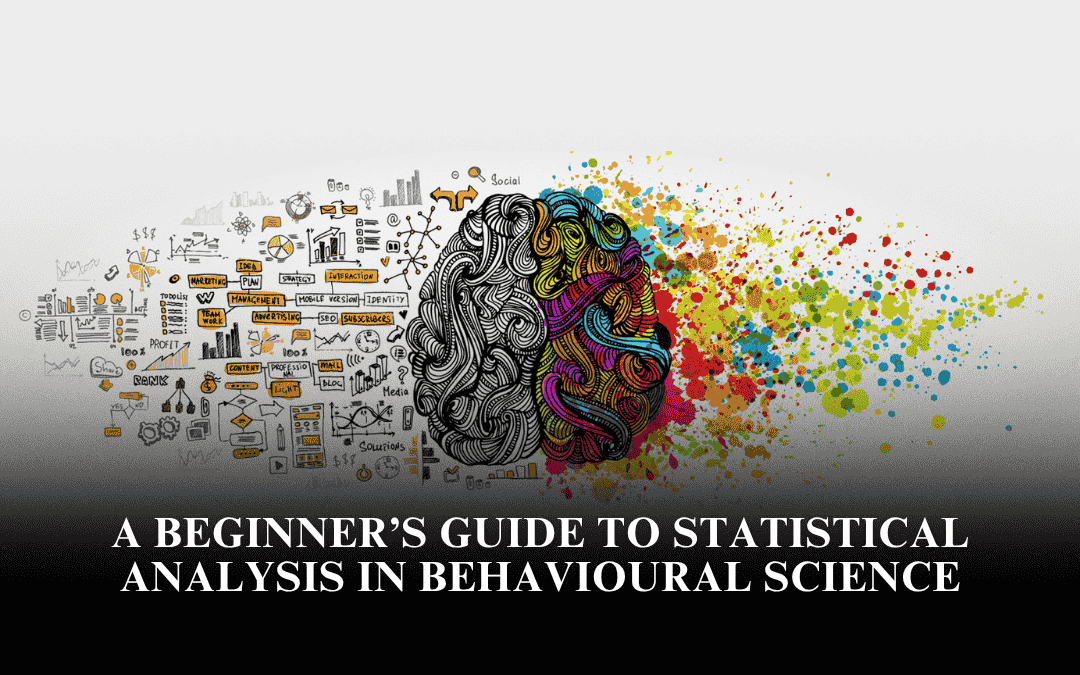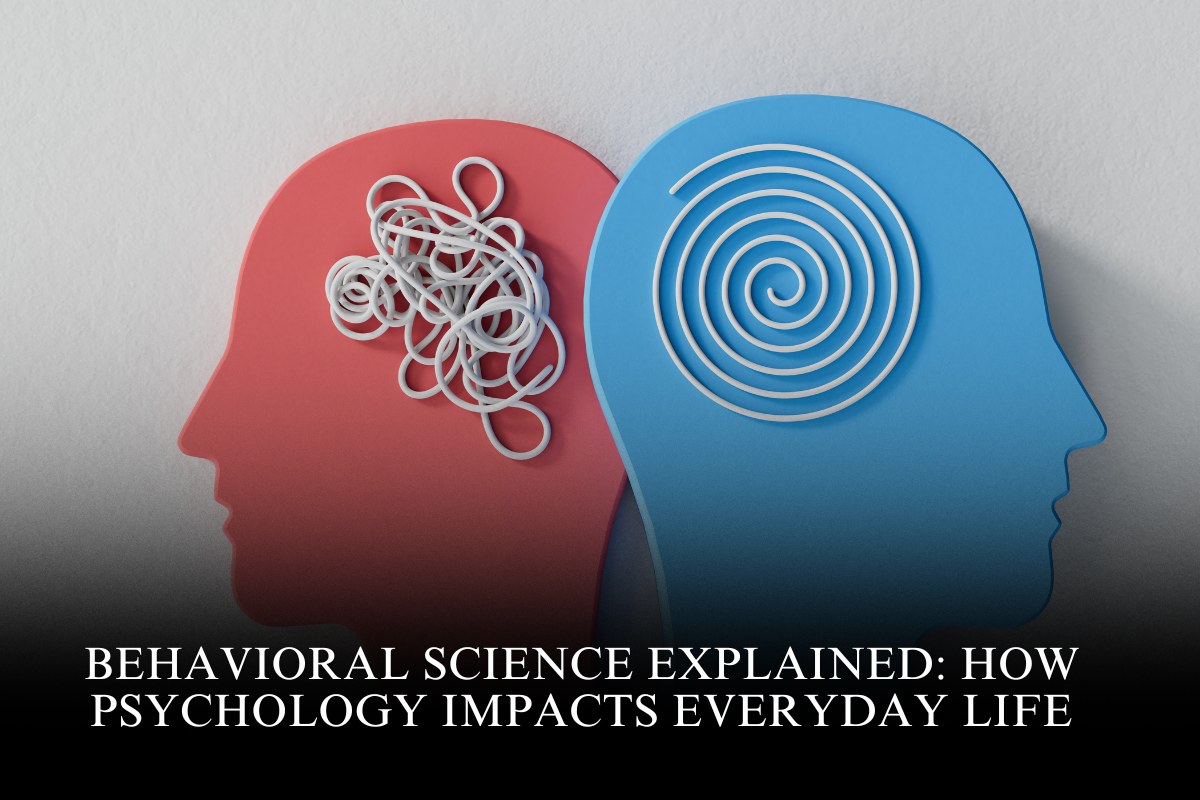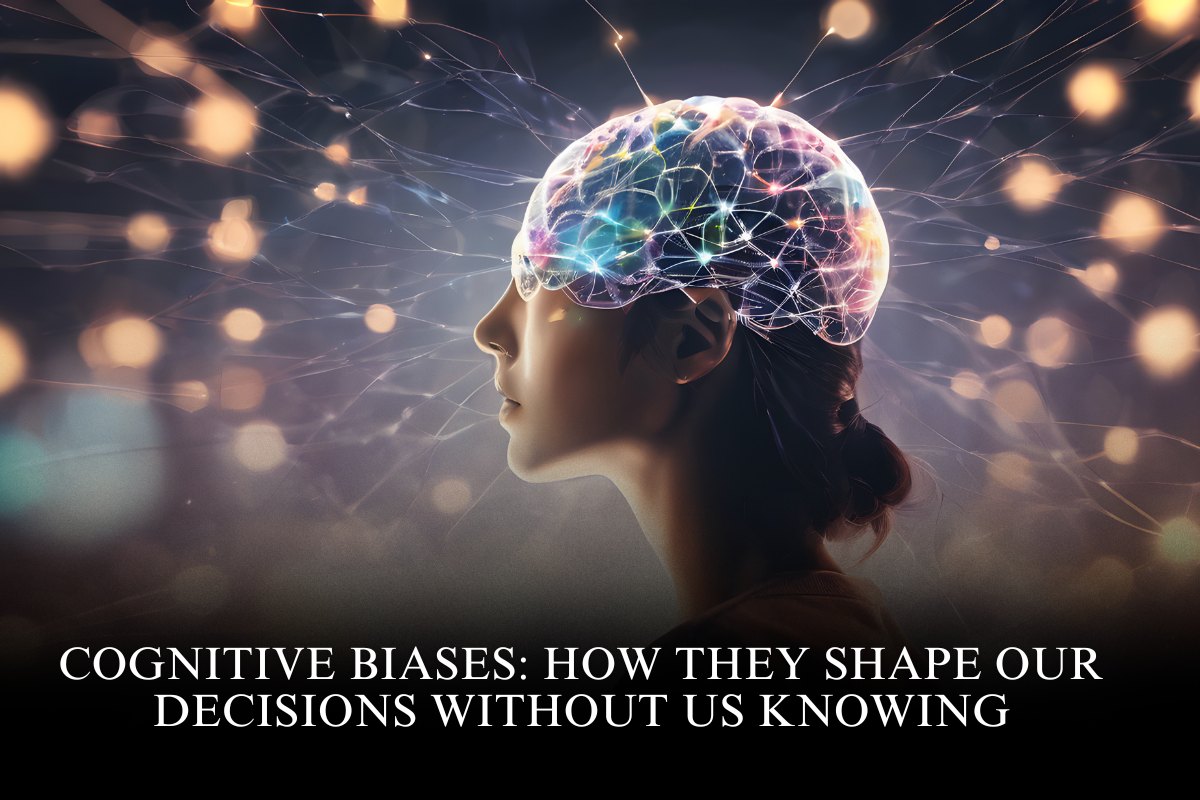
Cognitive biases are systematic patterns of deviation from rational judgment. They influence our decision-making and perceptions often without our awareness, shaping how we interpret information and act. These biases arise because the brain attempts to simplify complex information processing by relying on mental shortcuts known as heuristics. While these shortcuts usually aid quick decisions, they also unintentionally cause errors and distortions in thinking, impacting decisions in everyday life, business, and governance.
What Are Cognitive Biases?
Cognitive biases are mental tendencies where we process information in a way that deviates from objective standards of rationality. They occur because our brain has limitations in attention, memory, and information processing capacity. For example, memory biases can make us remember past events inaccurately, leading to skewed judgments. Attention biases influence what details we focus on, often ignoring contrasting or unseen data. These biases often manifest as mental shortcuts to simplify the overwhelming amount of information we encounter, but this simplification comes at the cost of accuracy.
How Cognitive Biases Influence Decisions
Our decisions are deeply influenced by cognitive biases because they shape how we perceive information and evaluate options. Some common examples include:
- Confirmation Bias: The tendency to favor information that confirms our preexisting beliefs while ignoring contradictory evidence. This can cause flawed decision-making by reinforcing our biases rather than challenging them.
- Anchoring Bias: Relying too heavily on an initial piece of information (the “anchor”) when making decisions. For example, the first price quote in a negotiation can strongly influence the final agreed price.
- Availability Heuristic: Overestimating the importance of information that is most readily available or memorable, such as recent events or vivid anecdotes, which can skew risk assessment and priority setting.
- Loss Aversion: Giving more weight to avoiding losses than acquiring gains, which can lead to risk-averse or irrational choices.
- Hindsight Bias: Believing after an event that one “knew it all along,” which can distort learning from past experiences.
Why We Don’t Notice These Biases
Cognitive biases usually feel natural and intuitive, making it difficult for people to detect their influence on their own thinking. This is partly because our brain relies on easily available information and emotions when making judgments rather than a complete, objective analysis. We trust what we immediately see or understand and overlook the unknown or complex aspects that don’t come to mind easily, a concept known as “What You See Is All There Is” (WYSIATI). This leads to overestimating our knowledge and unwarranted confidence in our decisions.
Real-World Impact of Cognitive Biases
These biases have far-reaching consequences in various domains:
- In business, confirmation bias can lead managers to ignore data that contradicts their strategy, affecting company performance.
- In investments, bias can cause investors to hold onto losing assets due to emotional attachments or ignoring new contrary information.
- In crises, decision-makers might over-prioritize recent dramatic events due to availability bias, neglecting more relevant but less salient risks.
- In governance, board members’ groupthink and confirmation biases may lead to poor strategic decisions.
FAQ
Q: Can cognitive biases be overcome?
A: While completely eliminating biases is difficult because they stem from brain functions, awareness and deliberate strategies can help mitigate their effects. Techniques include seeking contradictory evidence, slowing down decision-making processes, and encouraging diverse perspectives.
Q: Are cognitive biases always harmful?
A: Not necessarily. They evolved to help make quick decisions with limited information, which is often useful. However, when biases lead to persistent errors, especially in complex or high-stakes decisions, they can cause harm.
Q: How do cognitive biases differ from logical fallacies?
A: Cognitive biases are unconscious mental shortcuts affecting individual thought processes, while logical fallacies are errors in reasoning often identified in argumentation and debate. Both lead to flawed conclusions but arise differently.
Q: What is the best way to reduce bias in decision-making?
A: Implementing structured decision-making processes, using data objectively, encouraging dissenting views, and training to recognize common biases are effective methods.
Cognitive biases shape much of what we decide and how we see the world without us realizing it. Recognizing their influence is the first step to making more informed, rational, and balanced choices across all areas of life.