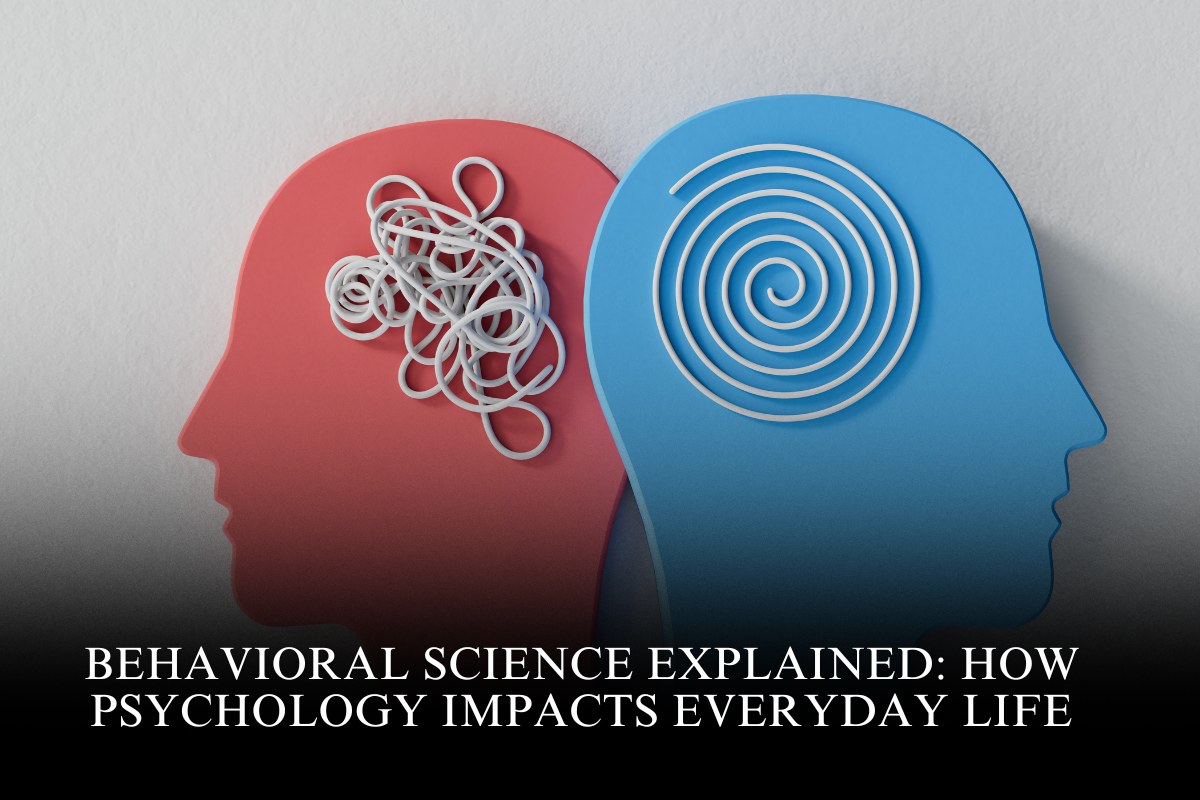
Behavioral science, particularly psychology, deeply influences every aspect of our daily lives. From how we make decisions and interact with others to managing stress and forming habits, psychology explains the underlying mental processes that guide our behavior.
Understanding these principles not only helps us improve our personal well-being but also enhances our relationships, work productivity, and overall quality of life. This article explores how behavioral science impacts everyday life through practical examples and key psychological concepts, followed by a FAQ section to address common questions.
Managing Stress and Emotions
One of the most direct ways psychology affects daily life is through stress and emotional management. Techniques derived from behavioral science, such as mindfulness, cognitive restructuring, and breathing exercises, help reduce anxiety and improve focus. Stress influences many behaviors, from eating habits to sleep patterns, demonstrating the strong mind-body connection central to psychological well-being.
Building and Maintaining Relationships
Human relationships rely heavily on psychological principles like empathy, social bonding, and communication styles. The hormone oxytocin plays a key role in forming social bonds, influencing both familial and romantic relationships. Understanding psychological concepts such as active listening, body language, and emotional intelligence can improve how we connect and resolve conflicts with others.
Decision Making and Behavior
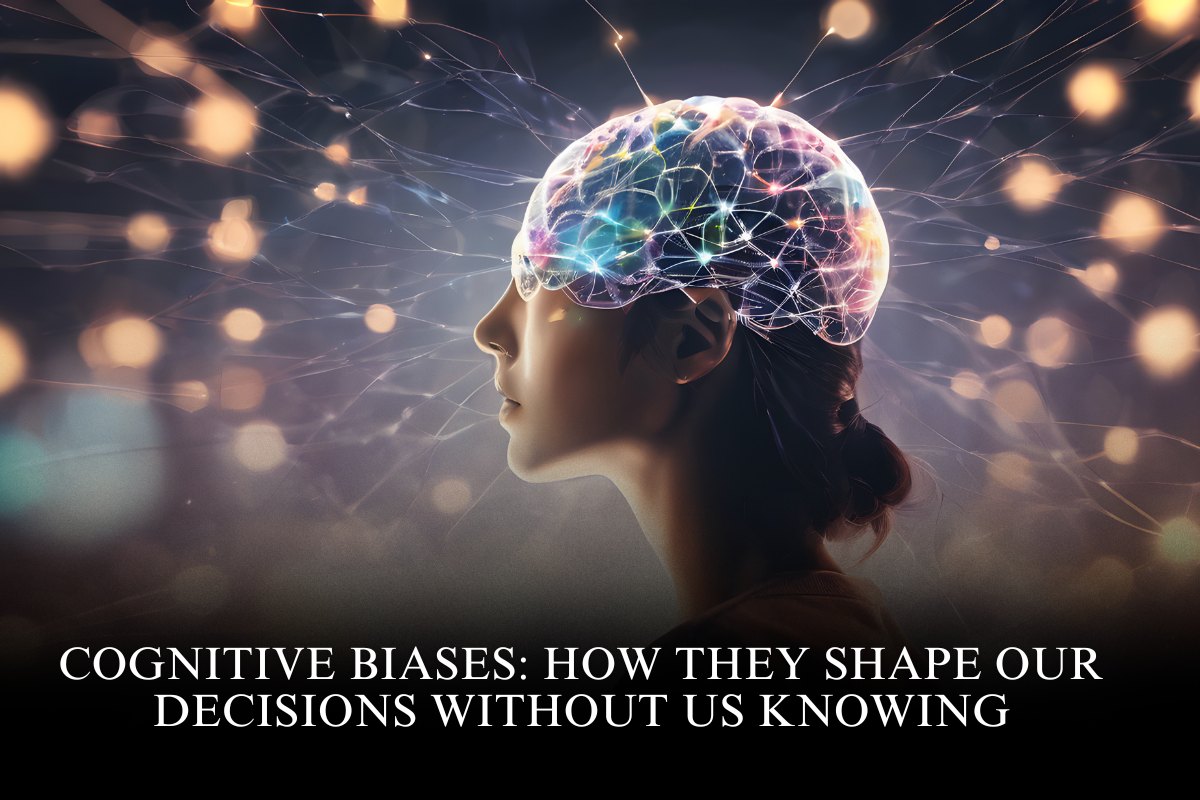
Behavioral science reveals common cognitive biases and heuristics that shape decision-making—like confirmation bias, the halo effect, and framing effects. These subconscious influences affect everything from consumer choices to voting behavior. Awareness of these biases can lead to more rational, conscious decisions and better problem-solving skills.
Motivation and Habit Formation
Psychology offers insights into motivation and habit formation, crucial for productivity and goal achievement. Techniques like goal-setting, positive reinforcement, and understanding intrinsic versus extrinsic motivation empower individuals to overcome procrastination and sustain long-term behavioral change.
Health and Lifestyle Choices
Behavioral science informs public health initiatives and personal lifestyle decisions. For example, research shows stress can increase consumption of unhealthy food, while “gamifying” exercise can boost physical activity. Understanding these psychological drivers helps in creating practical interventions for healthier living.
FAQ
How does psychology help manage everyday stress?
Psychological tools like mindfulness and cognitive techniques help regulate emotions and reduce anxiety, improving overall mental health.
What role does psychology play in relationships?
It helps us understand emotional needs, communication, and social bonding, which are critical for healthy, lasting relationships.
Why do we make irrational decisions sometimes?
Cognitive biases such as confirmation bias and the halo effect influence our perceptions and choices, often outside conscious awareness.
How can psychology improve motivation?
By identifying what internally or externally drives behavior, we can apply strategies like goal-setting and reinforcement to stay motivated.
Can psychology influence health behaviors?
Yes, psychological insights explain how mental states affect habits like eating and exercise, enabling more effective health interventions.
Psychology’s impact on everyday life is profound and practical, equipping us with methods to understand ourselves and others better, enhance wellbeing, and navigate life’s challenges with greater skill.