Technology has revolutionized data collection in behavioral studies, transforming traditional methods into dynamic, real-time, and highly precise processes. In 2025, advances in digital tools, artificial intelligence (AI), and big data analytics are enabling researchers to capture richer, more diverse behavioral data with greater accuracy and efficiency than ever before.
Real-Time and Ecological Data Collection
Mobile apps and wearable devices allow for ecological momentary assessment (EMA), capturing participants’ behavior and psychological states in real-world environments as they occur. This approach reduces reliance on retrospective self-reports, which can be biased or inaccurate. Devices collect data such as heart rate variability, movement, and stress indicators, giving researchers direct insight into participants’ experiences in their daily lives.
Enhanced Precision and Scale
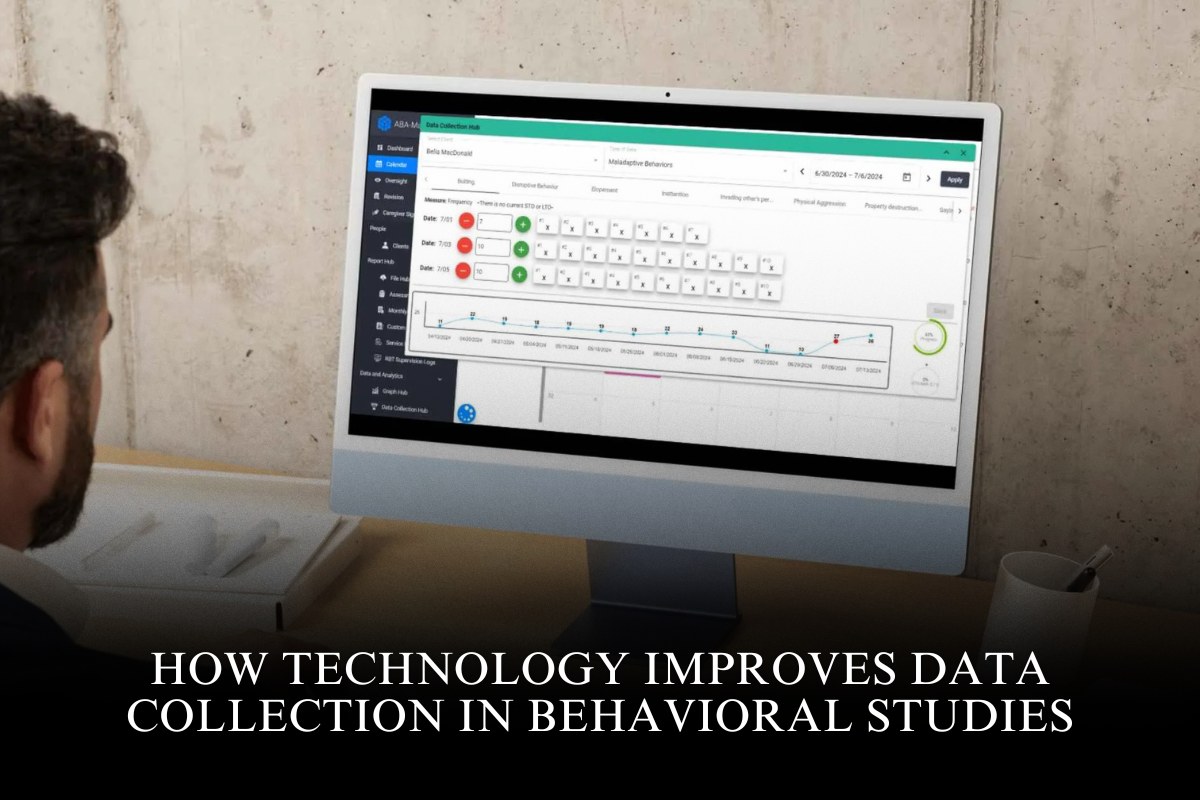
Digital platforms enable large-scale study recruitment and data collection via online surveys, experiments, and social media analysis. Technologies like clickstream tracking record every interaction users have on websites or apps, providing granular data about attention, decision-making, and choices. This scale and precision are invaluable for understanding complex behavioral patterns across diverse populations.
Advanced Analytics with AI and Machine Learning
AI and machine learning algorithms analyze vast, complex datasets to identify hidden behavioral patterns and predict future actions. These tools can perform sentiment analysis on text data, categorize behaviors from video or audio, and build predictive models of consumer or patient behavior—accelerating insights beyond human analytical capacities.
Integration and Multimodal Data
Technology facilitates the integration of multiple data streams—from physiological markers, digital footprints, to self-reports—allowing for a more holistic view of behavior. Combined data sources provide robust evidence supporting nuanced behavioral theories and effective intervention designs.
Ethical and Practical Advantages
Automated digital data collection reduces human error and minimizes participant burden through passive data capture. Online recruitment and survey delivery also lower costs and broaden access to diverse populations, including hard-to-reach groups. However, ethical considerations such as privacy, informed consent, and data security remain paramount as technology collects increasingly sensitive information.
FAQ
Q: How do wearable devices improve behavioral data collection?
A: Wearables capture real-time physiological and activity data in natural environments, providing objective measures of stress, sleep, or movement.
Q: What advantages do online platforms offer for behavioral studies?
A: They enable large-scale participant recruitment, continuous data capture, and precise tracking of online behaviors across various devices.
Q: How does AI enhance data analysis in behavioral research?
A: AI algorithms identify patterns and predict behaviors from large, multimodal datasets more rapidly and accurately than manual analysis.
Q: What ethical issues arise in technology-driven data collection?
A: Ensuring informed consent, safeguarding privacy, and managing data security are critical challenges in digital behavioral data collection.
Q: Can multiple data types be combined in a single study?
A: Yes, combining physiological, behavioral, and self-report data offers comprehensive insights better reflecting real-world complexity.